






When we record the revenue and expense, it will reflect with current year’s performance, not the prior year. The income statement of last year is already closed and all revenue/expense accounts reset to zero at the beginning of the new year. A net loss would decrease retained earnings so we would do the opposite in this journal entry by debiting Retained Earnings and crediting Income Summary. This statement begins with the opening retained earnings balance, adds the net income for the period, and subtracts any dividends declared.
What is Retained Profit in Accounting?
- Net income feeds into retained earnings, but they are not the same.
- Revenue accounts, which increase retained earnings, are increased by credits, while expense accounts, which decrease retained earnings, are increased by debits.
- Retained earnings are not an asset but a part of shareholders’ equity.
- An alternative to the statement of retained earnings is the statement of stockholders’ equity.
- Most programs offer invoicing, payment tracking, and management of property assets and depreciation.
A net loss occurs when expenses exceed revenues, effectively reducing the accumulated profits available within the business. This reduction is recorded as a debit to the retained earnings account, diminishing its credit balance. When a company reports net income, this amount is ultimately transferred to the retained earnings account. This transfer is recorded as a credit to retained earnings, which increases its balance, consistent with the rules for equity accounts. For example, if a business earns a net income of $50,000 for the year, this $50,000 would be credited to retained earnings, thereby increasing the total accumulated profits.
Deduct dividend payments
The profit is also understated, it is the same as the retained earnings. We have to record this revenue to increase the retained earnings as the prior year’s income statement is already closed. In order to record, the revenue and expense for the prior year, we need to petty cash use the retained earning account instead. As we know that the revenue and expense of the prior year will impact the retained earnings. So if we want to increase or decrease the prior year’s profit, we can do so by recording the retained earnings.
Retained Earnings: Everything You Need to Know for Your Small Business
Conversely, actions reducing owner’s equity, such such as paying dividends, decrease the retained earnings balance retained earnings a debit or credit and are recorded as a debit. Retained earnings represent the cumulative net income held within the company, rather than paid as dividends. These accumulated profits serve as capital, funding future growth, debt repayment, or new projects without external financing. Understanding this component is important for assessing a business’s financial health and expansion capacity.
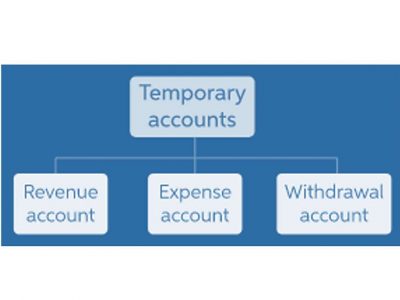
Revenue and Expenses
This distribution reduces the amount of earnings retained by the business. Consequently, dividend payments are recorded as a debit to the retained earnings account, decreasing its balance. For example, if a company has $100,000 in retained earnings and earns $20,000 in net income, retained earnings would be credited, increasing the balance to $120,000.

The average balance of earnings is a credit, which means that it increases when net income is earned and decreases when dividends are paid out. Retained profits can be found in the shareholders’ equity section of a balance sheet during an accounting quarter. Notice how only the balance in retained earnings has changed and it now matches what was reported as ending retained earnings in the statement of retained earnings and https://dt-rwetestlink.co/professional/restaurant-payrolls-how-to-set-up-new-staff/ the balance sheet.

Rules Of Debits And Credits For The Balance Sheet
Corporate balance sheets have shares in equity that document the retained income of the firm. The total value debited must always equal the total value credited. Each transaction includes at least one debit and one credit to different accounts. Modern accounting software automates these processes to save time and reduce errors. This system keeps assets equal to the sum of liabilities and equity. Every transaction changes this equation and must be recorded carefully.
Are Retained Earnings Part of Equity?

Conversely, liabilities and equity accounts increase with credits and decrease with debits because they appear on the right side of the accounting equation. Revenue accounts, which increase equity, also have a normal credit balance. Expense accounts, which decrease equity, have a normal debit balance. This dual-entry system ensures that for every transaction, total debits always equal total credits. An increase in retained earnings signifies an increase in owner stake. For example, net income increases total equity, reflected as a credit to the retained earnings account, expanding the capital base.